








July 19 lifting of regulations - detail announced by Government
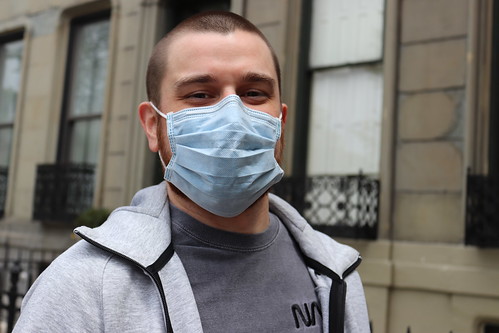
Most legal restrictions to control COVID-19 have now been lifted at step 4. Members and staff will no longer be legally required to wear face masks and social distancing and table service are no longer mandatory.
The announcement came with warnings that the public ‘needs to continue to act carefully and remain cautious’ and that Coronavirus is here to stay, with cases continuing to rise.
FROM THE GOVERNMENT:
While cases are high and rising, everybody needs to continue to act carefully and remain cautious. This is why we are keeping in place key protections:
- testing when you have symptoms and targeted asymptomatic testing in education, high risk workplaces and to help people manage their personal risk.
- isolating when positive or when contacted by NHS Test and Trace.
- border quarantine: for all arriving from red list countries and for those people not fully vaccinated arriving from amber list countries.
- cautious guidance for individuals, businesses and the vulnerable whilst prevalence is high including:
- whilst Government is no longer instructing people to work from home if they can, Government would expect and recommend a gradual return over the summer.
- Government expects and recommends that people wear face coverings in crowded areas such as public transport
- being outside or letting fresh air in.
- minimising the number, proximity and duration of social contacts.
- encouraging and supporting businesses and large events to use the NHS COVID Pass in high risk settings. The Government will work with organisations where people are likely to be in close proximity to others outside their household to encourage the use of this. If sufficient measures are not taken to limit infection, the Government will consider mandating certification in certain venues at a later date.
We can all help reduce risks by practising key behaviours. Find out how to protect yourself and others.
Although most legal restrictions will be lifted at step 4, and many people have been vaccinated, it is still possible to catch and spread COVID-19, even if you are fully vaccinated, and we are still in the third wave of this pandemic in the UK.
COVID-19 will be a feature of our lives for the foreseeable future, so we need to learn to live with it and manage the risk to ourselves and others.
As COVID-19 restrictions are lifted, it is important that we all use personal judgement to manage our own risk. All of us can play our part by exercising common sense and considering the risks. While no situation is risk free, there are actions we can take to protect ourselves and others around us. Following this guidance will help you stay safe and protect others by controlling the spread. Every action to help reduce the spread will reduce any further resurgence of the virus in the coming months.
Lifting restrictions
Most legal restrictions to control COVID-19 will be lifted at step 4. This means that when step 4 takes place:
- You will not need to stay 2 metres apart from people you do not live with. There will also be no limits on the number of people you can meet.
- However, in order to minimise risk at a time of high prevalence, you should limit the close contact you have with those you do not usually live with, and increase close contact gradually. This includes minimising the number, proximity and duration of social contacts.
- Meet outdoors where possible and let fresh air into homes or other enclosed spaces.
- The Government is no longer instructing people to work from home if they can. However, the Government expects and recommends a gradual return over the summer.
- The requirement to wear face coverings in law will be lifted. However, the Government expects and recommends that people wear face coverings in crowded areas such as public transport.
- There will no longer be limits on the number of people who can attend weddings, civil partnerships, funerals and other life events (including receptions and celebrations). There will be no requirement for table service at life events, or restrictions on singing or dancing. You should follow guidance for weddings and funerals to reduce risk and protect yourself and others.
- There will no longer be restrictions on group sizes for attending communal worship.
COVID-19 has not gone away, so it’s important to remember the actions you can take to keep yourself and others safe. Everybody needs to continue to act carefully and remain cautious.
Businesses and venues
All remaining closed businesses and venues such as nightclubs and adult entertainment venues will be able to reopen.
All capacity limits at sporting, entertainment, or business events will be lifted.
Hospitality venues such as pubs, restaurants and bars will no longer be required to provide table service or follow other social distancing rules.
All businesses should follow the principles set out in the working safely guidance. Whilst the Government is no longer instructing people to work from home if they can, the Government would expect and recommend a gradual return over the summer.
Employers will still have a legal duty to manage risks to those affected by their business. The way to do this is to carry out a health and safety risk assessment, including the risk of COVID-19, and to take reasonable steps to mitigate the risks you identify. Working Safely guidance sets out a range of mitigations employers should consider including:
- cleaning surfaces that people touch regularly;
- identifying poorly-ventilated areas in the venue and taking steps to improve air flow;
- ensuring that staff and customers who are unwell do not attend the workplace or venue;
- communicating to staff and customers the measures you have put in place.
We encourage organisations in higher risk settings to use the NHS COVID Pass as a condition of entry, in order to reduce the risk of COVID-19. This will especially be the case in large crowded settings where people are likely to be in close proximity to others outside their household. The Government reserves the right to mandate certification in certain venues at a later date if necessary.
To support organisations and individuals in these settings, the NHS COVID Pass will be made available through the NHS App, NHS.UK, or as a letter that can be requested by ringing NHS 119. Visitors will also be able to show text or email confirmation of test results. Organisations should ensure they are in compliance with all legal obligations, including on equalities.
There are some settings where the NHS COVID Pass should not be used as a condition of entry, in order to ensure access for all. This includes essential services and essential retailers which have been able to stay open throughout the pandemic.
Businesses are also encouraged to continue displaying QR codes for customers wishing to check in using the NHS COVID-19 app, or to continue collecting customer contact details to support NHS Test and Trace, however this will no longer be a legal requirement.